
Notable Works
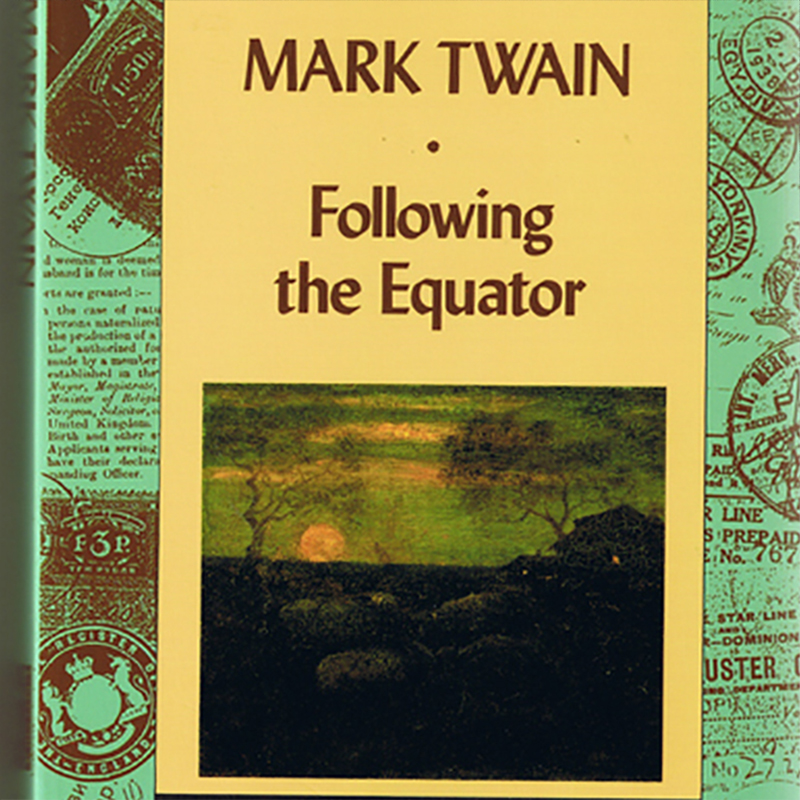
Following the Equator
Following the Equator, a global travelogue in the Twain style, declares his war on imperialism at home and abroad. On a lecture tour between 1895 and 1896, Twain travels the world, both to cut into his debt-ridden finances and to generate material for his next book. In Australia, New Zealand, India, and South Africa, he finds oppression, superstition, racial animus, and sheer ignorance. For all his critiques of foreign cultures and customs, he was just as leery, at the dawn of the American century, of our own presumption in exporting our values to “lesser” peoples.

The Tragedy Of Pudd’nhead Wilson and Those Extraordinary Twins
The Tragedy Of Pudd’nhead Wilson and Those Extraordinary Twins is even more powerful and compelling, a step beyond Huck Finn’s voyage to enlightenment with the truant slave Jim; Roxy’s tainted blood and terrible decision to switch racially mixed babies shortly after their birth to give her own child a clear path toward success and respectability, Puddn’head’s forensic clarity, the awful juxtaposition of good and evil, black and white, nature versus nurture are explored brilliantly by Twain. “Puddn’head Wilson’s Calendar,” an extended, embedded sampling of Twain’s legendary aphorisms and witty quips is a bonus. Like many of Twain’s later works, Pudd’nhead reflects his darkening personal path.
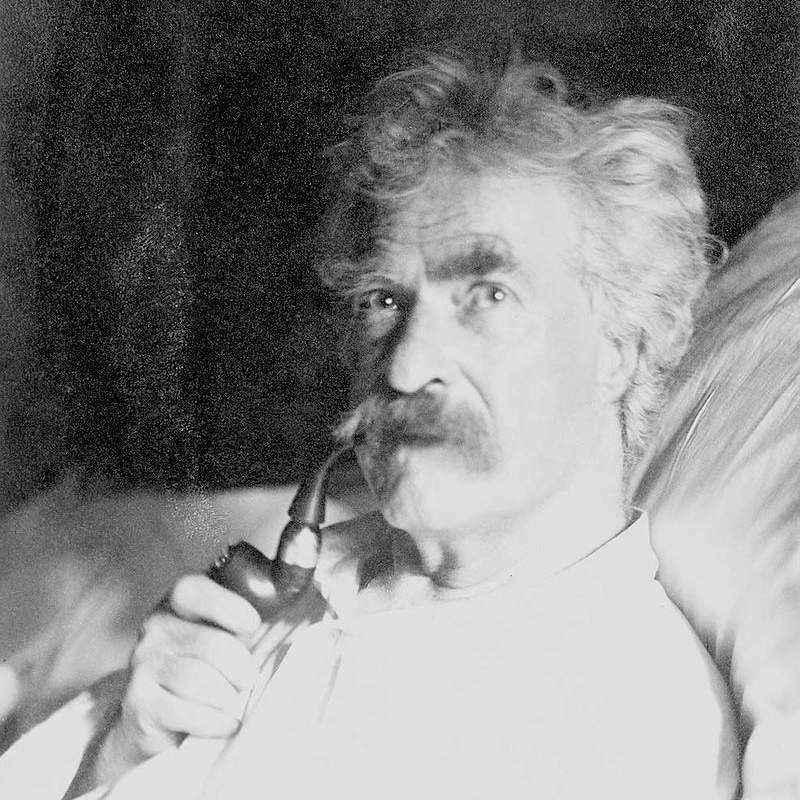
Mark Twain’s Autobiography
Autobiography of Mark Twain or Mark Twain’s Autobiography refers to a lengthy set of reminiscences, dictated, for the most part, in the last few years of American author Mark Twain’s life and left in typescript and manuscript at his death. The Autobiography comprises a rambling collection of anecdotes and ruminations rather than a conventional autobiography.
Letters from the Earth
Letters from the Earth is a posthumously published work of celebrated American author Mark Twain (1835–1910). It comprises essays written during a difficult time in Twain’s life (1904-09), when he was deeply in debt and had recently lost his wife and one of his daughters. The content concerns morality and religion and strikes a sarcastic — Twain’s own term throughout the book — tone. Initially, another of his daughters, Clara Clemens, objected to its publication in March 1939, probably because of its controversial and iconoclastic views on religion, claiming it presented a “distorted” view of her father. Henry Nash Smith helped change her position in 1960. Clara explained her change of heart in 1962 saying that “Mark Twain belonged to the world” and that public opinion had become more tolerant. She was also influenced to release the papers by her annoyance with Soviet reports that her father’s ideas were being suppressed in the United States. The papers were selected, edited and sequenced for the book in 1939 by Bernard DeVoto.
Captain Stormfield’s Visit to Heaven
Captain Stormfield’s Visit to Heaven is a short story written by American writer Mark Twain. It first appeared in print in Harper’s Magazine in December 1907 and January 1908, and was published in book form with some revisions in 1909. This was the last story published by Twain during his life.
Is Shakespeare Dead?
Is Shakespeare Dead? is a short, semi-autobiographical work by American humorist Mark Twain. It explores the controversy over the authorship of the Shakespearean literary canon via satire, anecdote, and extensive quotation of contemporary authors on the subject.
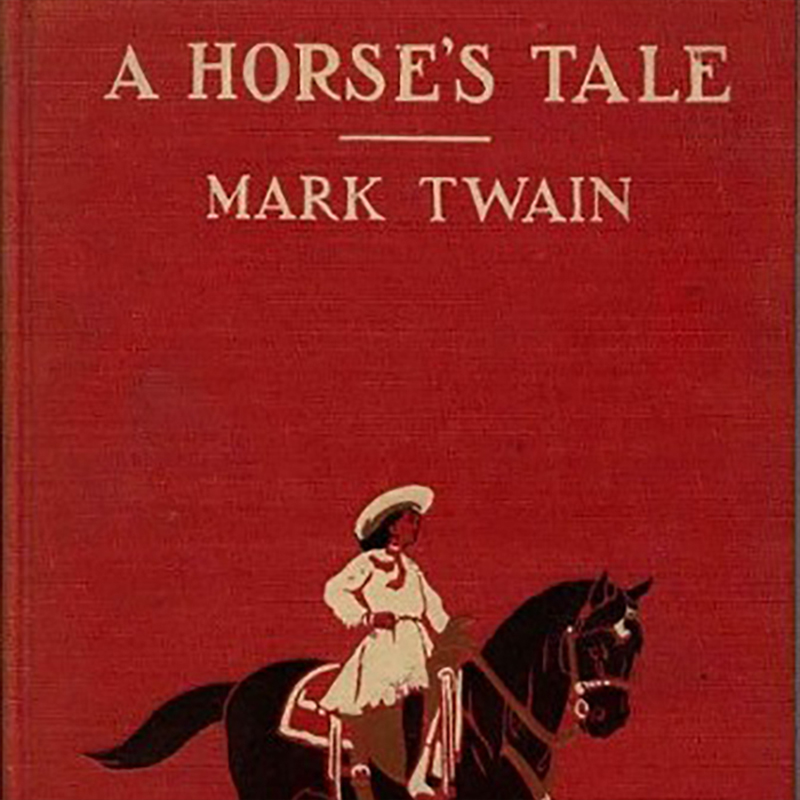
A Horse’s Tale
A Horse’s Tale is a novel by Mark Twain (Samuel Clemens), written partially in the voice of Soldier Boy, who is Buffalo Bill’s favorite horse, at a fictional frontier outpost with the U.S. 7th Cavalry.

Christian Science
Christian Science is a 1907 book by the American writer Mark Twain. The book is a collection of essays Twain wrote about Christian Science, beginning with an article that was published in Cosmopolitan in 1899. Although Twain was interested in mental healing and the ideas behind Christian Science, he was hostile towards its founder, Mary Baker Eddy (1821–1910).
The $30,000 Bequest and Other Stories
The $30,000 Bequest and Other Stories (1906) is a collection of thirty comic short stories by the iconic American humorist and writer Mark Twain. The stories contained span the course of his career, from “Advice to Young Girls” in 1865 to the titular tale in 1904. Although Twain had ample time to refine his short stories between their original publication date and this collection, there is little evidence to suggest he took an active interest in doing so. “A Burlesque Biography” contains only a few minor technical revisions which make it different from the 1871 version found in Mark Twain’s “(Burlesque) Autobiography and First Romance”. “Advice to Little Girls” shows slight revision from its earlier publication in The Celebrated Jumping Frog of Calaveras County.
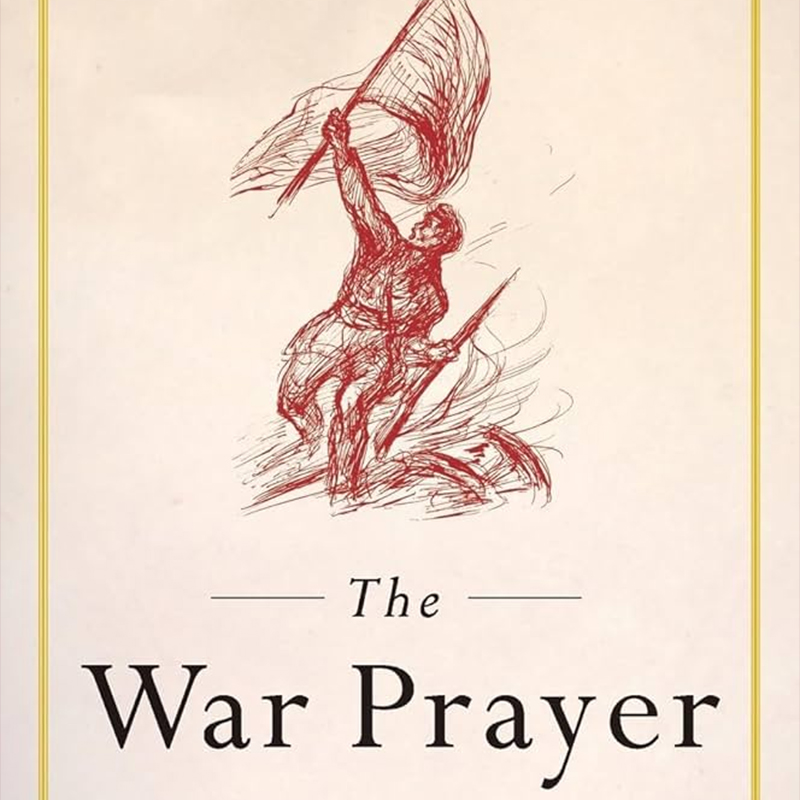
The War Prayer
The War Prayer, a short story or prose poem by Mark Twain, is a scathing indictment of war, and particularly of blind patriotic and religious fervor as motivations for war. The structure of the work is simple: An unnamed country goes to war, and patriotic citizens attend a church service for soldiers who have been called up. The people call upon their God to grant them victory and protect their troops. Suddenly, an “aged stranger” appears and announces that he is God’s messenger. He explains to them that he is there to speak aloud the second part of their prayer for victory, the part which they have implicitly wished for but have not spoken aloud themselves: the prayer for the suffering and destruction of their enemies. What follows is a grisly depiction of hardships inflicted on war-torn nations by their conquerors. The story ends with the man being ignored.
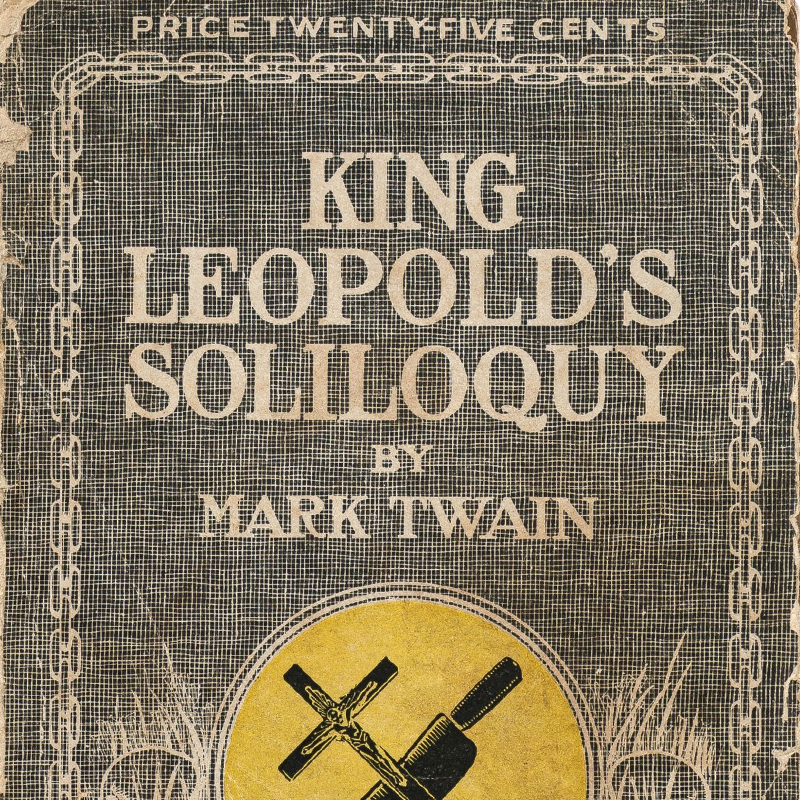
King Leopold’s Soliloquy
King Leopold’s Soliloquy is a 1905 pamphlet by Mark Twain. Its subject is King Leopold’s rule over the Congo Free State. A work of political satire harshly condemnatory of his actions, it ostensibly recounts Leopold speaking in his own defense.
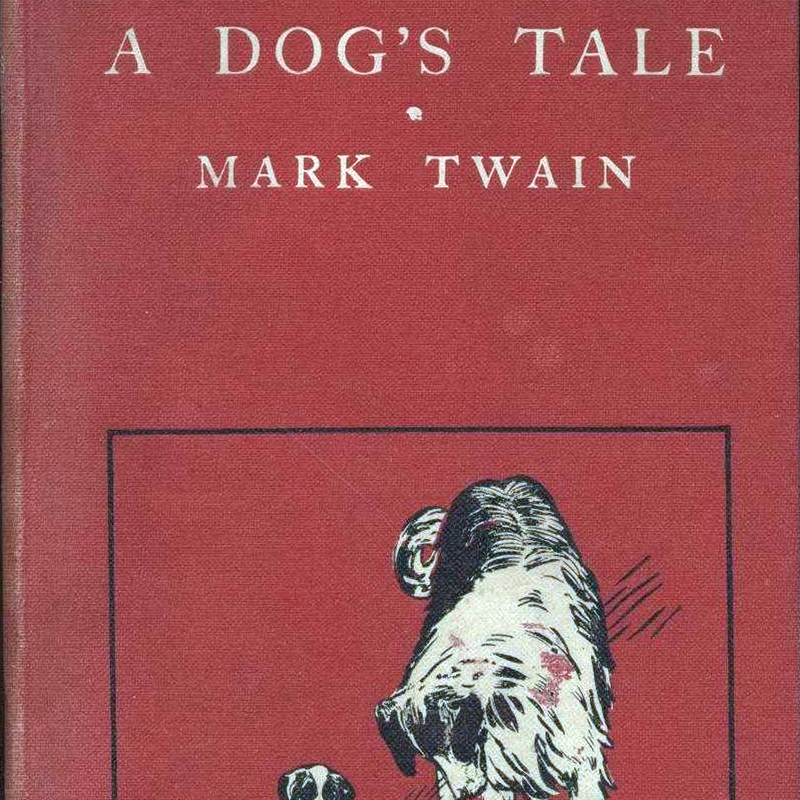
A Dog’s Tale
“A Dog’s Tale” is a short story written by Mark Twain. It first appeared in the December 1903 issue of Harper’s Magazine. In January of the following year it was extracted into a stand-alone pamphlet published for the National Anti-Vivisection Society. Still later in 1904 it was expanded into a book published by Harper & Brothers.
A Double Barrelled Detective Story
A Double Barreled Detective Story is a short story-novelette by Mark Twain (Samuel Clemens), in which Sherlock Holmes finds himself in the American west.
The story contains two arcs of revenges. In the primary arc, a rich young woman is abused, humiliated and abandoned by her new husband, Jacob Fuller, whom she married against the wishes of her father. The young Fuller resents her father’s rejection and dismissal of him as a neer-do-well and resolves to exact his revenge by mis-treating his new bride. After his abandonment, she bears a son who she names Archy Stillman. When the child gets older, the mother discovers that he possesses an incredible ability of smell, like a bloodhound. The mother instructs her child, now sixteen, to seek out his biological father with the intent of destroying that man’s peace and reputation, and hence extracting satisfaction for her.
Five years later in a second arc, at a mining camp in California, Fetlock Jones, a nephew of Sherlock Holmes, kills his master Flint Buckner, a silver-miner, by blowing up his cabin. Since this occurs when Holmes happens to be visiting, Holmes applies his skills to bear upon the case and derives a logically worked conclusion that is proved to be abysmally wrong by Archy Stillman using his sense of smell. This could be seen as yet another piece where Twain tried to prove that life does not quite follow logic.
This is a satire by Twain on the mystery novel genre. In the second arc, Sherlock Holmes is depicted in employing “scientific methods” to a ridiculous degree, yet arriving at a completely wrong assessment. On the other hand, the crime is solved with a supernatural ability that no normal human possesses. Yet even fails to reveal the whole truth as the final twist of the story indicates.
Furthermore, Sam Clemens/Mark Twain poked through the “4th wall” and appeared as himself in the middle of the story, supposedly while the story was being serialized, and responded to letters sent in by readers to the newspaper editor. During the exchange, Twain made fun of/self-advertised on some of his other famous short stories.
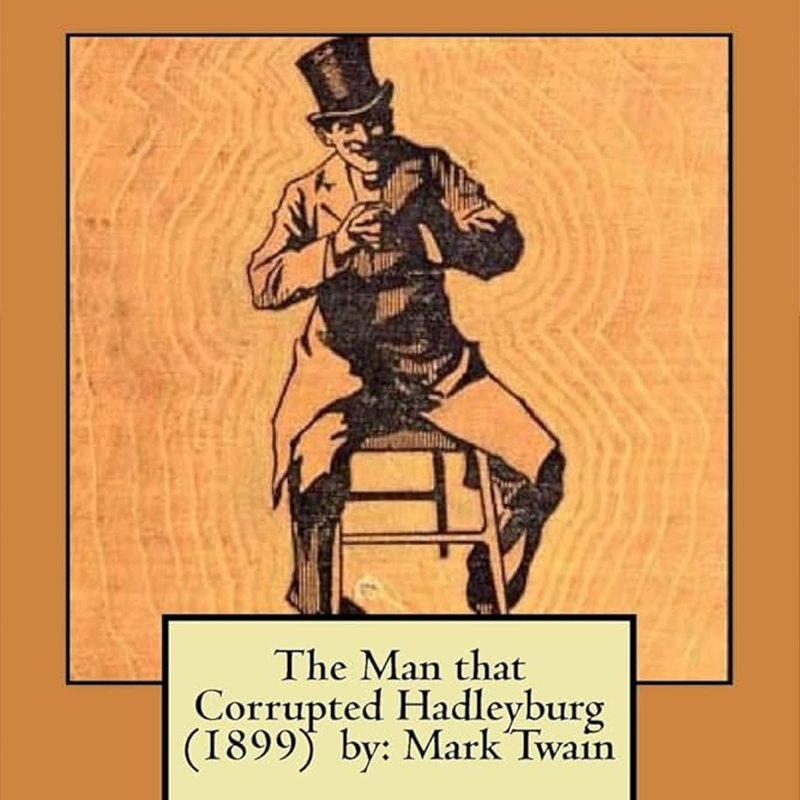
The Man That Corrupted Hadleyburg
“The Man That Corrupted Hadleyburg” is a piece of short fiction by Mark Twain. It first appeared in Harper’s Monthly in December 1899, and was subsequently published by Harper & Brothers in the collection The Man That Corrupted Hadleyburg and Other Stories and Sketches (1900). Twain actually encouraged it to be read as a replay of the Garden of Eden story in a satiric sense.
Following the Equator
Following the Equator (sometimes titled More Tramps Abroad) is a non-fiction travelogue published by American author Mark Twain in 1897. Twain was practically bankrupt in 1894 due to a failed investment into a “revolutionary” typesetting machine. In an attempt to extricate himself from debt of $100,000 (equivalent of about $2.5 million in 2010) he undertook a tour of the British Empire in 1895, a route chosen to provide numerous opportunities for lectures in English.
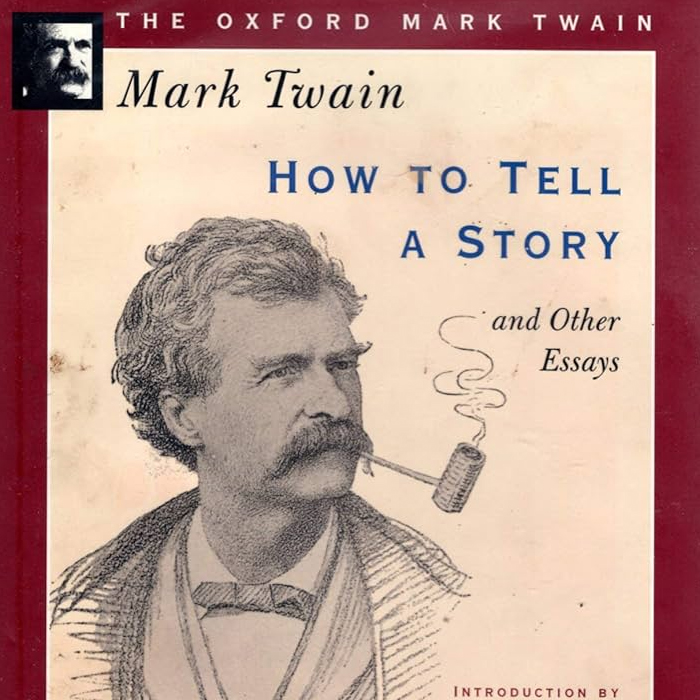
How to Tell a Story and other Essays
How to Tell a Story and Other Essays (1897) is a series of essays by Mark Twain. In them, he describes his own writing style, attacks the idiocy of a fellow author, defends the virtue of a dead woman, and tries to protect ordinary citizens from insults by railroad conductors. The essays contained include How to Tell a Story, The Wounded Soldier, The Golden Arm, Mental Telegraphy Again, and The Invalid’s Story.
Personal Recollections of Joan of Arc
Personal Recollections of Joan of Arc, by the Sieur Louis de Conte is an 1896 novel by Mark Twain that recounts the life of Joan of Arc. It is Twain’s last completed novel, published when he was 61 years old.
The novel is presented as a translation (by “Jean Francois Alden”) of memoirs by Louis de Conte, a fictionalized version of Joan of Arc’s page, Louis de Contes. The novel is divided into 3 sections according to Joan of Arc’s development: a youth in Domrémy, a commander of the army of Charles VII of France, and a defendant at trial in Rouen.
Originally, the novel was published as a serialization in Harper’s Magazine beginning in April 1895. Twain, aware of his reputation as a comic, asked that each installment appear anonymously so that readers would treat the piece seriously. Regardless, his authorship soon became known, and the book edition published by Harper and Brothers in May 1896 credited Mark Twain.[
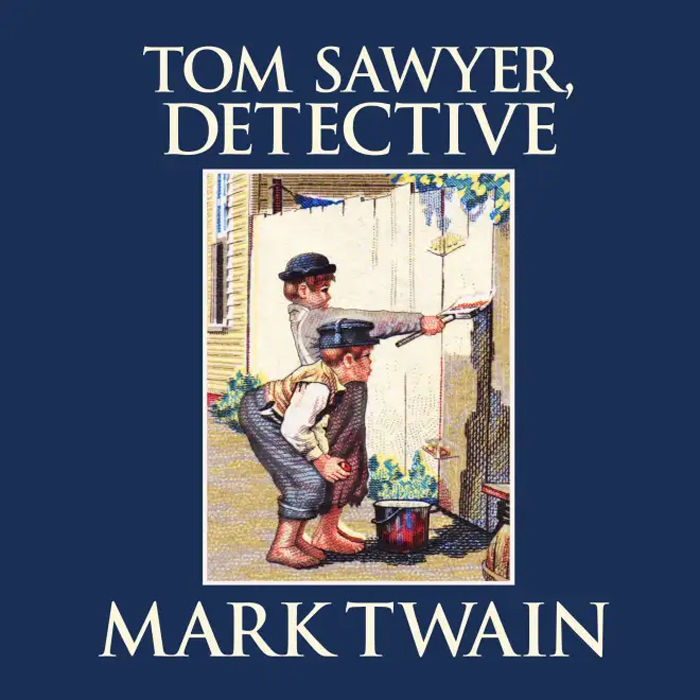
Tom Sawyer, Detective
Tom Sawyer, Detective is an 1896 novel by Mark Twain. It is a sequel to The Adventures of Tom Sawyer (1876), Adventures of Huckleberry Finn (1884), and Tom Sawyer Abroad (1894). Tom Sawyer attempts to solve a mysterious murder in this burlesque of the immensely popular detective novels of the time. Like Adventures of Huckleberry Finn, the story is told using the first-person narrative voice of Huck Finn.
Pudd’n’head Wilson
Pudd’nhead Wilson is a novel by Mark Twain. It was serialized in The Century Magazine (1893–4), before being published as a novel in 1894.
The setting is the fictional Missouri frontier town of Dawson’s Landing on the banks of the Mississippi River in the first half of the 19th century. David Wilson, a young lawyer, moves to town and a clever remark of his is misunderstood, which causes locals to brand him a “pudd’nhead” (nitwit). His hobby of collecting fingerprints does not raise his standing in the townsfolk’s eyes, who see him as an eccentric and do not frequent his law practice.
Pudd’nhead Wilson moves into the background as the focus shifts to the slave Roxy, her son, and the family they serve. Roxy is only one-sixteenth black, and her son Valet de Chambre (referred to as “Chambers”) is only 1/32 black. Roxy is principally charged with caring for her inattentive master’s infant son Tom Driscoll, who is the same age as her own son. After fellow slaves are caught stealing and are nearly sold “down the river”, to a master further south, Roxy fears for her life and the life of her son. First she decides to kill herself and Chambers to avoid being sold down the river, but then decides instead to switch Chambers and Tom in their cribs so that her son will live a life of privilege.
The narrative moves forward two decades, and Tom Driscoll (formerly Valet de Chambre), believing himself to be wholly white and raised as a spoiled aristocrat, has grown to be a selfish and dissolute young man. Tom’s father has died and granted Roxy her freedom. Roxy worked for a time on river boats, and saved money for her retirement. When she finally is able to retire, she discovers that her bank has failed and all of her savings are gone. She returns to Dawson’s Landing to ask for money from Tom.
Tom meets Roxy with derision and Roxy tells him that he is her son, and uses this fact to blackmail him into financially supporting her.
Twin Italian noblemen visit the town to some fanfare, and Tom quarrels with one. Then at last, desperate for money, Tom robs and murders his wealthy uncle and the blame falls wrongly on one of the Italians. Thereafter the story takes on the form of a crime novel. In a courtroom scene, the whole mystery is solved when Wilson demonstrates, through fingerprints, that Tom is both the murderer, and not the real Driscoll heir.
The book ends in bitter irony. Although the real Tom Driscoll is restored to his rights, his life changes for the worse, for having been raised a slave, he feels intense unease in white society, while as a white man he is forever excluded from the company of blacks.
In a final twist, the murdered man’s creditors successfully petition the governor to have Tom’s death sentence overturned. Now that he is shown to be black, he is a slave, and as such, is rightfully their property. His sale “down the river” helps them recoup their losses.
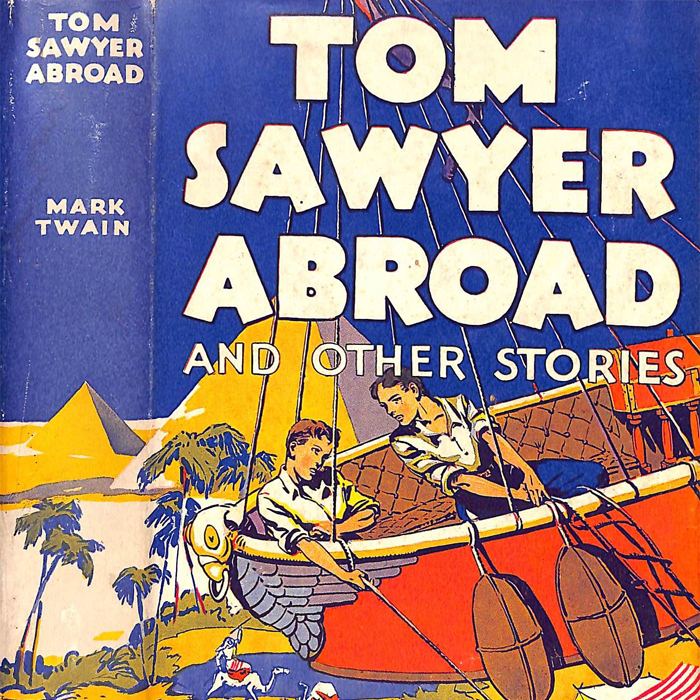
Tom Sawyer Abroad
Tom Sawyer Abroad is a novel by Mark Twain published in 1894. It features Tom Sawyer and Huckleberry Finn in a parody of adventure stories like those of Jules Verne.
In the story, Tom, Huck, and Jim set sail to Africa in a futuristic hot air balloon, where they survive encounters with lions, robbers, and fleas to see some of the world’s greatest wonders, including the Pyramids and the Sphinx. Like Adventures of Huckleberry Finn and Tom Sawyer, Detective, the story is told using the first-person narrative voice of Huck Finn. It is a sequel, set in the time following the title story of the Tom Sawyer series.

The £1,000,000 Bank Note and Other New Stories
The £1,000,000 Bank Note and Other New Stories is an 1893 collection of short stories by American writer Mark Twain.
The collection was published in 1893, in a disastrous decade for the United States, a time marked by doubt and waning optimism, rapid immigration, labor problems, and the rise of political violence and social protest.
It was also a difficult time for Twain personally, as he was forced into bankruptcy and devastated by the death of his favorite daughter, Suzy. Yet the title story still brims with confidence and optimism, marking the moment of hope just before Twain turned to the grim stories of his later years.
Merry Tales
Merry Tales by Mark Twain is a collection of humorous short stories written in the late 19th century. The stories encapsulate Twain’s signature wit and insightful commentary on human nature, often populated by relatable characters caught in peculiar or absurd situations. This compilation promises to entertain readers with Twain’s clever observations and comical storytelling style. The opening of “Merry Tales” provides an introduction to the collection’s purpose and context within American literature. It sets the stage for a humorous narrative through the editor’s note that emphasizes a desire for accessible, quality literature that reflects American life, particularly highlighting Twain as a quintessential American humorist. The initial story, “The Private History of a Campaign That Failed,” introduces readers to a ragtag group of misfit soldiers, their initial excitement about war, and the ensuing comical misadventures that accompany their naive aspirations. Twain captures the absurdity and folly of the characters as they navigate the realities of military life, hinting at deeper themes tied to human folly and the irony of war
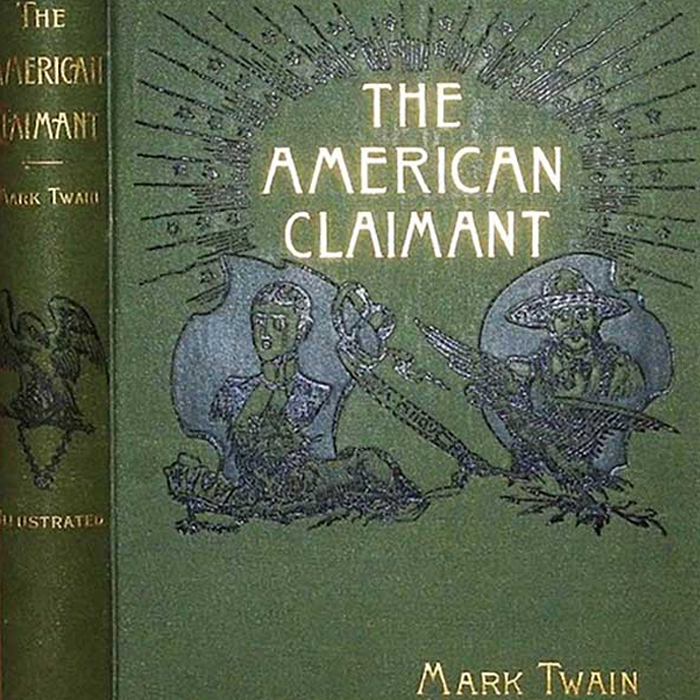
The American Claimant
The American Claimant is an 1892 novel by American humorist and writer Mark Twain. Twain wrote the novel with the help of phonographic dictation, the first author (according to Twain himself) to do so. This was also (according to Twain) an attempt to write a book without mention of the weather, the first of its kind in fictitious literature. Indeed, all the weather is contained in an appendix, at the back of the book, which the reader is encouraged to turn to from time to time.
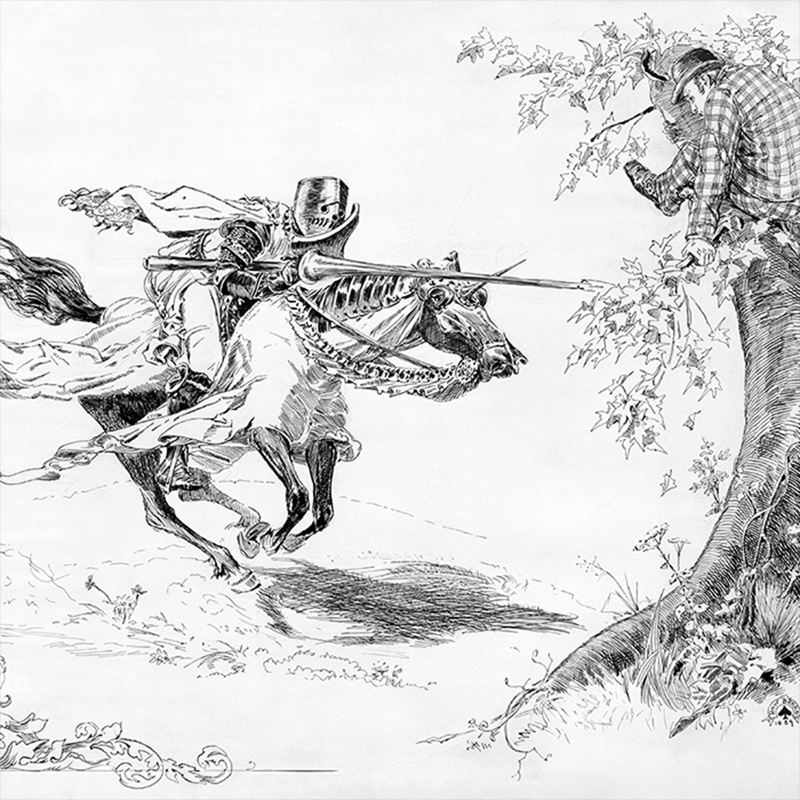
A Connecticut Yankee in King Arthur’s Court
A Connecticut Yankee in King Arthur’s Court is an 1889 novel by American humorist and writer Mark Twain. The book was originally titled A Yankee in King Arthur’s Court. Some early editions are titled A Yankee at the Court of King Arthur.
In the book, a Yankee engineer from Connecticut is accidentally transported back in time to the court of King Arthur, where he fools the inhabitants of that time into thinking that he is a magician, and soon uses his knowledge of modern technology to become a “magician” in earnest, stunning the English of the Early Middle Ages with such feats as demolitions, fireworks, and the shoring up of a holy well. He attempts to modernize the past, but in the end he is unable to prevent the death of Arthur and an interdict against him by the Catholic Church of the time, which grows fearful of his power.
Twain wrote the book as a burlesque of Romantic notions of chivalry after being inspired by a dream in which he was a knight himself, severely inconvenienced by the weight and cumbersome nature of his armor.
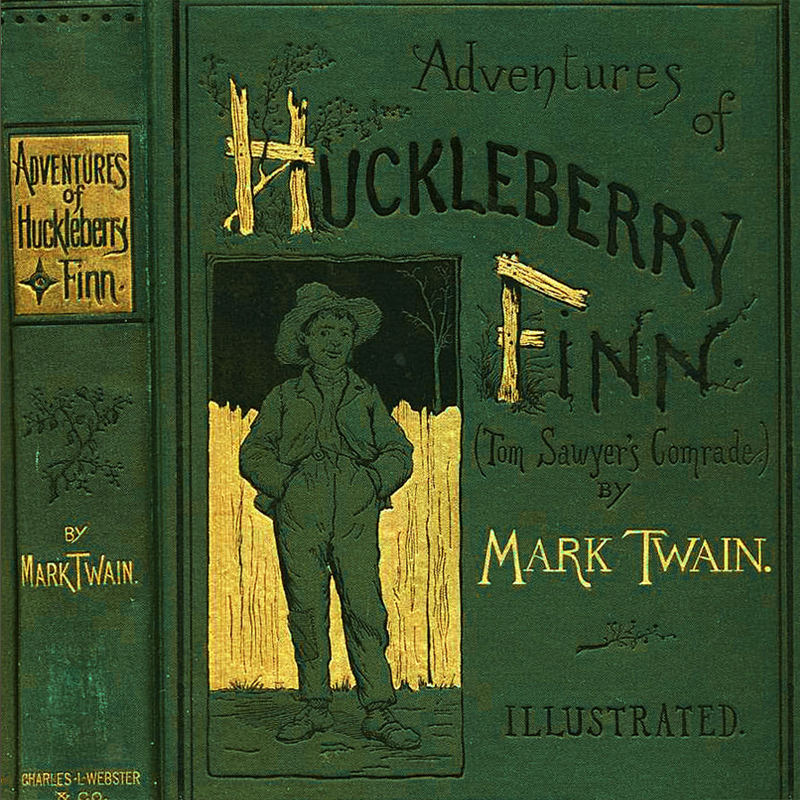
Adventures of Huckleberry Finn
Adventures of Huckleberry Finn (or, in more recent editions, The Adventures of Huckleberry Finn) is a novel by Mark Twain, first published in the United Kingdom in December 1884 and in the United States in February 1885. Commonly named among the Great American Novels, the work is among the first in major American literature to be written throughout in vernacular English, characterized by local color regionalism. It is told in the first person by Huckleberry “Huck” Finn, a friend of Tom Sawyer and narrator of two other Twain novels (Tom Sawyer Abroad and Tom Sawyer, Detective). It is a direct sequel to The Adventures of Tom Sawyer.
The book is noted for its colorful description of people and places along the Mississippi River. Set in a Southern antebellum society that had ceased to exist about 20 years before the work was published, Adventures of Huckleberry Finn is an often scathing satire on entrenched attitudes, particularly racism.
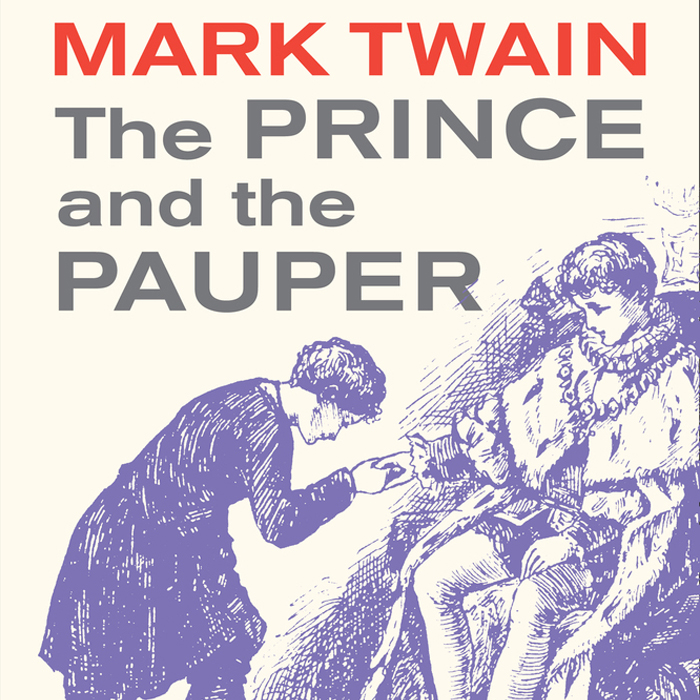
The Prince and the Pauper
The Prince and the Pauper is a novel by American author Mark Twain. It was first published in 1881 in Canada, before its 1882 publication in the United States. The novel represents Twain’s first attempt at historical fiction. Set in 1547, it tells the story of two young boys who are identical in appearance: Tom Canty, a pauper who lives with his abusive father in Offal Court off Pudding Lane in London, and Prince Edward, son of King Henry VIII.
Tom Canty, youngest son of a poor family living in Offal Court, London, has always aspired to a better life, encouraged by the local priest (who has taught him to read and write). Loitering around the palace gates one day, he sees a prince (the Prince of Wales – Edward VI). Coming too close in his intense excitement, Tom is nearly caught and beaten by the Royal Guards; however, Edward stops them and invites Tom into his palace chamber. There the two boys get to know one another, fascinated by each other’s life and their uncanny resemblance; they were born on the same day. They decide to switch clothes “temporarily”. The Prince momentarily goes outside, quickly hiding an article of national importance (which the reader later learns is the Great Seal of England), but dressed as he is in Tom’s rags, he is not recognized by the guards, who drive him from the palace, and he eventually finds his way through the streets to the Canty home. There he is subjected to the brutality of Tom’s abusive father, from whom he manages to escape, and meets one Miles Hendon, a soldier and nobleman returning from war. Although Miles does not believe Edward’s claims to royalty, he humors him and becomes his protector. Meanwhile, news reaches them that King Henry VIII has died and Edward is now the king.
Tom, posing as the prince, tries to cope with court customs and manners. His fellow nobles and palace staff think “the prince” has an illness which has caused memory loss and fear he will go mad. They repeatedly ask him about the missing “Great Seal”, but he knows nothing about it; however, when Tom is asked to sit in on judgments, his common-sense observations reassure them his mind is sound.
As Edward experiences the brutish life of a pauper firsthand, he becomes aware of the stark class inequality in England. In particular, he sees the harsh, punitive nature of the English judicial system where people are burned at the stake, pilloried, and flogged. He realizes that the accused are convicted on flimsy evidence (and branded – or hanged – for petty offenses), and vows to reign with mercy when he regains his rightful place. When Edward unwisely declares to a gang of thieves that he is the king and will put an end to unjust laws, they assume he is insane and hold a mock coronation.
After a series of adventures (including a stint in prison), Edward interrupts the coronation as Tom is about to celebrate it as King Edward VI. Tom is eager to give up the throne; however, the nobles refuse to believe that the beggarly child Edward appears to be is the rightful king until he produces the Great Seal that he hid before leaving the palace. Tom declares that if anyone had bothered to describe the seal he could have produced it at once since he had found it inside a decorative suit of armor (where Edward had hidden it) and had been using it to crack nuts.
Edward and Tom switch back to their original places and Miles is rewarded with the rank of earl and the family right to sit in the presence of the king. In gratitude for supporting the new king’s claim to the throne, Edward names Tom the “king’s ward” (a privileged position he holds for the rest of his life).
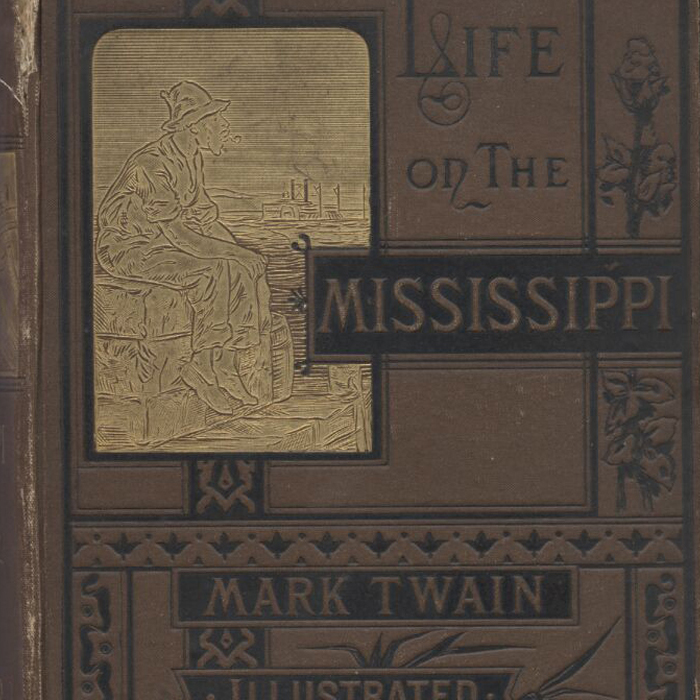
Life on the Mississippi
Life on the Mississippi (1883) is a memoir by Mark Twain of his days as a steamboat pilot on the Mississippi River before the American Civil War, and also a travel book, recounting his trip along the Mississippi River from St. Louis to New Orleans many years after the War.
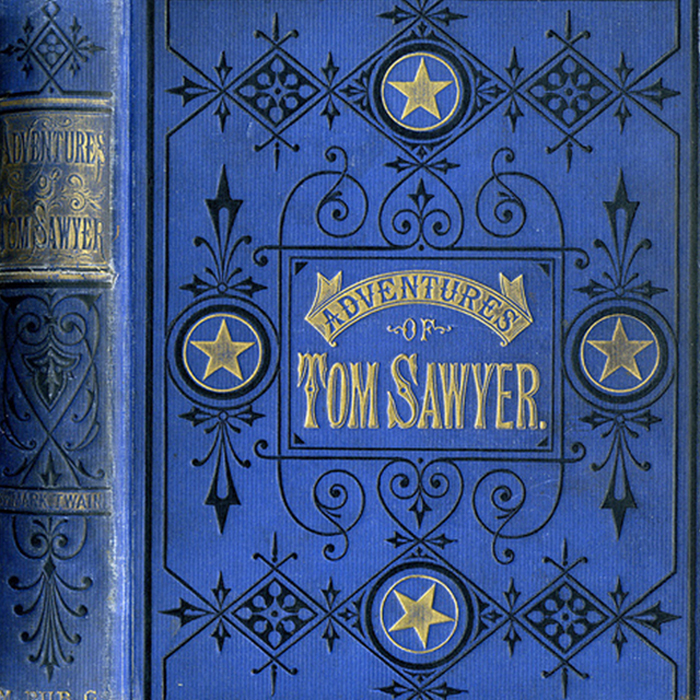
The Adventures of Tom Sawyer
The Adventures of Tom Sawyer by Mark Twain is an 1876 novel about a young boy growing up along the Mississippi River. It is set in the fictional town of St. Petersburg, inspired by Hannibal, Missouri, where Twain lived.
Tom Sawyer lives with his Aunt Polly and his half-brother Sid. He skips school to swim and is made to whitewash the fence the next day as punishment. He cleverly persuades his friends to trade him small treasures for the privilege of doing his work. He then trades the treasures for Sunday School tickets which one normally receives for memorizing verses consistently, redeeming them for a Bible, much to the surprise and bewilderment of the superintendent who thought “it was simply preposterous that this boy had warehoused two thousand sheaves of Scriptural wisdom on his premises—a dozen would strain his capacity, without a doubt.”
Tom falls in love with Becky Thatcher, a new girl in town, and persuades her to get “engaged” by kissing him. But their romance collapses when she learns Tom has been “engaged” previously to Amy Lawrence. Shortly after Becky shuns him, he accompanies Huckleberry Finn to the graveyard at night, where they witness a trio of body snatchers, Dr. Robinson, Muff Potter, and Injun Joe, getting into a fight. While Potter is knocked unconscious during the scuffle, Injun Joe stabs the doctor to death and later pins the blame on Potter, who is arrested for the murder. Potter is then shunned by the whole town, except Huck and Tom, who knew the real story. They decided “to keep mum” about this incident because they are afraid of Injun Joe murdering them.
Tom and Huck run away to an island. While enjoying their new-found freedom, they become aware that the community is sounding the river for their bodies. Tom sneaks back home one night to observe the commotion. After a brief moment of remorse at his loved ones’ suffering, he is struck by the idea of appearing at his own funeral. Back in school, Tom gets himself back in Becky’s favor after he nobly accepts the blame for a book she has ripped. Soon, Muff Potter’s trial begins, in which Tom testifies against Injun Joe. Potter is acquitted, but Injun Joe flees the courtroom through a window. Tom then fears for his life as Injun Joe is at large and can easily find him.
Summer arrives, and Tom and Huck go hunting for buried treasure in a haunted house. After venturing upstairs they hear a noise below. Peering through holes in the floor, they see Injun Joe disguised as a deaf-mute Spaniard; Injun Joe and his companion plan to bury some stolen treasure of their own. From their hiding spot, Tom and Huck wriggle with delight at the prospect of digging it up. Huck begins to shadow Injun Joe nightly, watching for an opportunity to nab the gold. In the meantime, Tom goes on a picnic to McDougal’s Cave with Becky and their classmates. In his overconfidence, Tom strays off the marked paths with Becky and they get hopelessly lost. That night, Huck sees Injun Joe and his partner making off with a box. He follows and overhears their plans to attack the Widow Douglas. By running to fetch help, Huck prevents the crime and becomes an anonymous hero.
As Tom and Becky wander the extensive cave complex for the next few days, Becky gets extremely dehydrated and starved, so Tom’s search for a way out gets even more determined. He accidentally encounters Injun Joe one day, but he is not seen by his nemesis. Eventually, he finds a way out, and they are joyfully welcomed back by their community. As a preventive measure, Judge Thatcher has McDougal’s Cave sealed off, but this traps Injun Joe inside. When Tom hears of the sealing several days later and directs a posse to the cave, they find Injun Joe’s corpse just inside the sealed entrance, starved to death.
A week later, having deduced from Injun Joe’s presence at McDougal’s Cave that the villain must have hidden the stolen gold inside, Tom takes Huck to the cave and they find the box of gold, the proceeds of which are invested for them. The Widow Douglas adopts Huck, and when he attempts to escape civilized life, Tom tricks him into thinking that he can join Tom’s robber band if he returns to the widow. Reluctantly, he agrees and goes back to her.
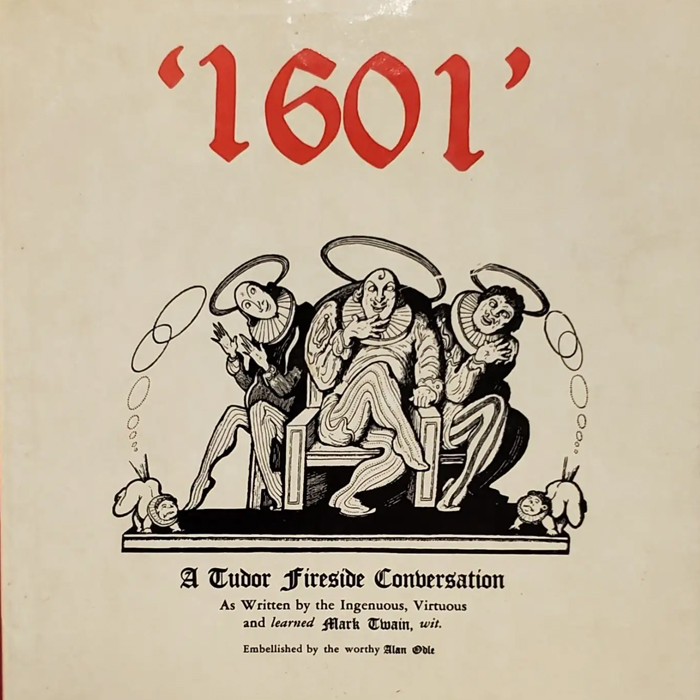
1601
Conversation, as it was by the Social Fireside, in the Time of the Tudors or simply 1601 is the title of a short risqué squib by Mark Twain, first published anonymously in 1880, and finally acknowledged by the author in 1906.
Written as an extract from the diary of one of Queen Elizabeth I’s ladies-in-waiting, the pamphlet purports to record a conversation between Elizabeth and several famous writers of the day. The topics discussed are entirely scatological, notably flatulence and sex.
1601 was, according to Edward Wagenknecht, “the most famous piece of pornography in American literature.”[1] However, it was more ribaldry than pornography; its content was more in the nature of irreverent and vulgar comedic shock than obscenity for sexual arousal.
Prior to the court decisions in the United States in 1959-1966 that legalized the publication of Lady Chatterley’s Lover, Tropic of Cancer, and Fanny Hill, the piece continued to be considered unprintable, and was circulated clandestinely in privately printed limited editions.
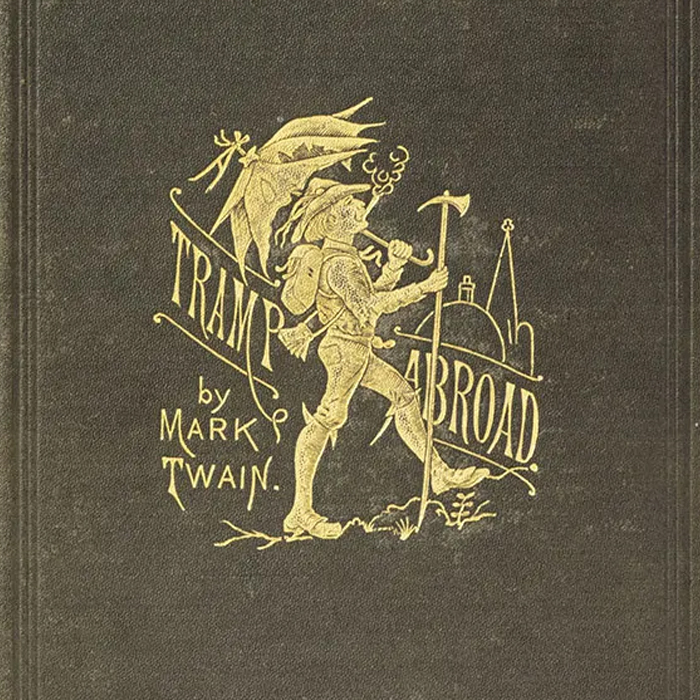
A Tramp Abroad
A Tramp Abroad is a work of travel literature, including a mixture of autobiography and fictional events, by American author Mark Twain, published in 1880. The book details a journey by the author, with his friend Harris (a character created for the book, and based on his closest friend, Joseph Twichell), through central and southern Europe. While the stated goal of the journey is to walk most of the way, the men find themselves using other forms of transport as they traverse the continent. The book is the third of Mark Twain’s five travel books and is often thought to be an unofficial sequel to the first one, The Innocents Abroad.
As the two men make their way through Germany, the Alps, and Italy, they encounter situations made all the more humorous by their reactions to them. The narrator (Twain) plays the part of the American tourist of the time, believing that he understands all that he sees, but in reality understanding none of it.
Sketches New and Old
Sketches New and Old is a group of fictional stories—except for “The Case of George Fisher”—by Mark Twain. It was published in 1875. It includes the short story “A Ghost Story”, among others.
Old Times on the Mississippi
Old Times On The Mississippi is a memoir written by Mark Twain, published in 1875. In this book, Twain recounts his experiences working as a steamboat pilot on the Mississippi River in the mid-1800s. He describes the daily routines and challenges of navigating the river, as well as the colorful characters he encountered along the way. Twain also reflects on the changes he witnessed in the river and its surrounding towns over the course of his career. The book provides a fascinating glimpse into life on the Mississippi during a pivotal time in American history, and showcases Twain’s trademark wit and humor.And then if you will go on until you know every street crossing, the character, size, and position of the crossing-stones, and the varying depth of mud in each of those numberless places, you will have some idea of what the pilot must know in order to keep a Mississippi steamer out of trouble. Next, if you will take half of the signs in that long street, and change their places once a month, and still manage to know their new positions accurately on dark nights. and keep up with these repeated changes without making any mistakes, you will understand what is required of a pilot’s peerless memory by the fickle Mississippi.This scarce antiquarian book is a facsimile reprint of the old original and may contain some imperfections such as library marks and notations. Because we believe this work is culturally important, we have made it available as part of our commitment for protecting, preserving, and promoting the world’s literature in affordable, high quality, modern editions, that are true to their original work.
Mark Twain’s (Burlesque) Autobiography and First Romance
Mark Twain’s (Burlesque) Autobiography and First Romance is an 1871 book by American author Mark Twain. Published by Sheldon & Co. in 1871, the book consists of two short stories: “A Burlesque Autobiography”, which first appeared in Twain’s Memoranda contributions to The Galaxy, and “First Romance”, which originally appeared in The Express in 1870.
The Gilded Age: A Tale of Today
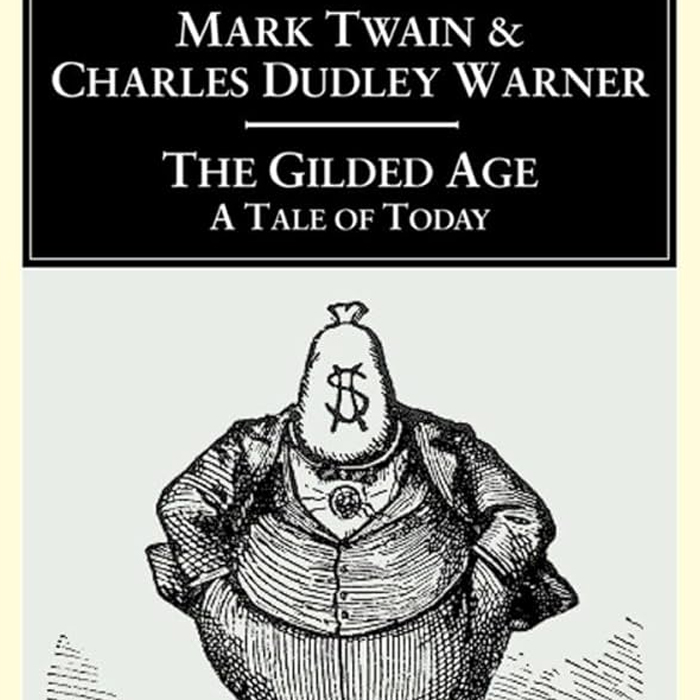
The Gilded Age: A Tale of Today is a novel by Mark Twain and Charles Dudley Warner first published in 1873. It satirizes greed and political corruption in post–Civil War America in the era now referred to as the Gilded Age. Although not one of Twain’s best-known works, it has appeared in more than one hundred editions since its original publication. Twain and Warner originally had planned to issue the novel with illustrations by Thomas Nast. The book is remarkable for two reasons–-it is the only novel Twain wrote with a collaborator, and its title very quickly became synonymous with graft, materialism, and corruption in public life.
Roughing It
Roughing It is a book of semi-autobiographical travel literature by Mark Twain. It was written in 1870–71 and published in 1872, as a prequel to his first book The Innocents Abroad (1869).
The book follows the travels of young Mark Twain through the Wild West during the years 1861–1867. After a brief stint as a Confederate cavalry militiaman (not included in the account), he joined his brother Orion Clemens, who had been appointed Secretary of the Nevada Territory, on a stagecoach journey west. Twain consulted his brother’s diary to refresh his memory and borrowed heavily from his active imagination for many stories in the book.
The Celebrated Jumping Frog
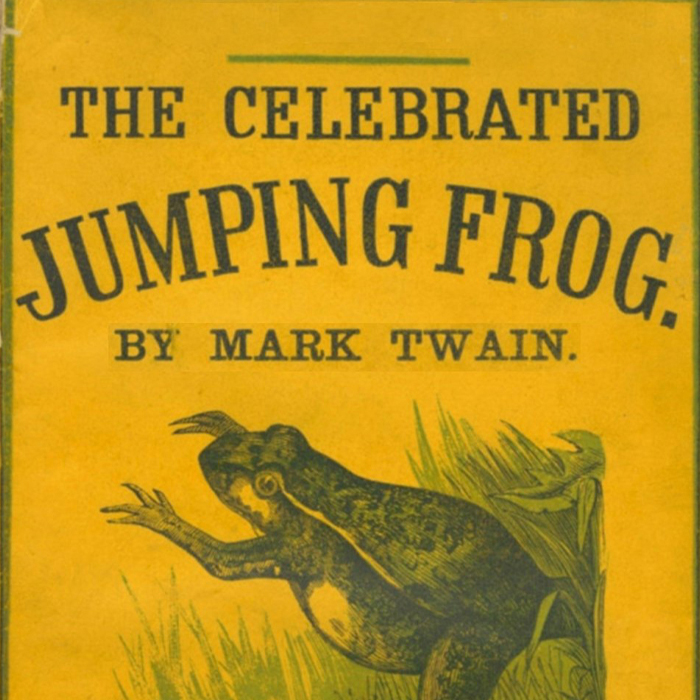
The Celebrated Jumping Frog of Calaveras County is an 1865 short story by Mark Twain. It was his first great success as a writer and brought him national attention. The story has also been published as “Jim Smiley and His Jumping Frog” (its original title) and “The Notorious Jumping Frog of Calaveras County”. In it, the narrator retells a story he heard from a bartender, Simon Wheeler, at the Angels Hotel in Angels Camp, California, about the gambler Jim Smiley. The narrator describes him: “If he even seen a straddle bug start to go anywheres, he would bet you how long it would take him to get to wherever he going to, and if you took him up, he would foller that straddle bug to Mexico but what he would find out where he was bound for and how long he was on the road.”
The Innocents Abroad
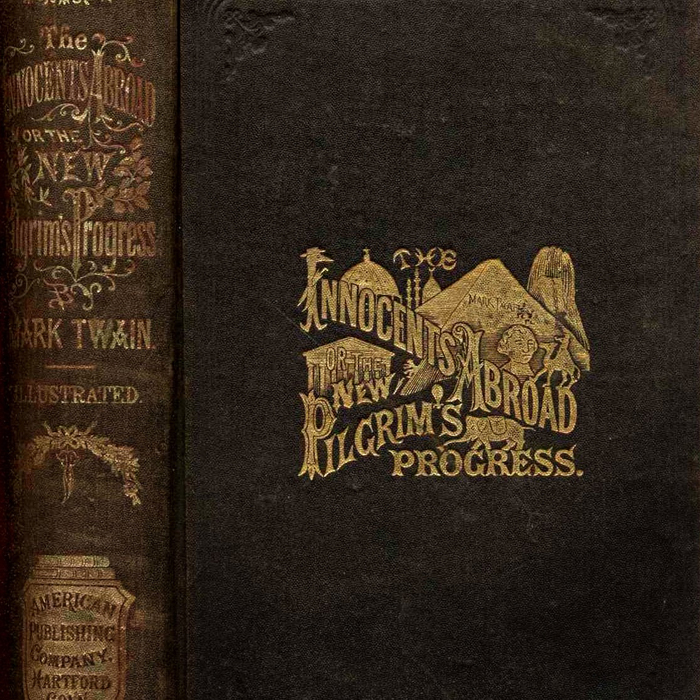
The Innocents Abroad, or The New Pilgrims’ Progress is a travel book by American author Mark Twain published in 1869 which humorously chronicles what Twain called his “Great Pleasure Excursion” on board the chartered vessel Quaker City (formerly USS Quaker City) through Europe and the Holy Land with a group of American travelers in 1867. It was the best-selling of Twain’s works during his lifetime, as well as one of the best-selling travel books of all time.
Advice to Little Girls
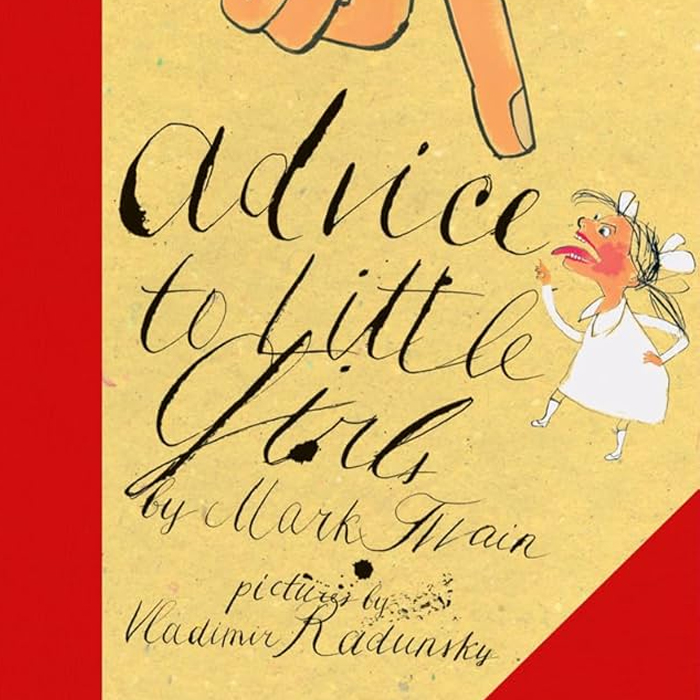
“Advice to Little Girls” is a humorous short story written by Mark Twain in 1865 and published in 1867. The story is written in a tongue-in-cheek tone, and the title is meant to be ironic, as its content is not good advice for little girls to take. The piece references fantasies of resolving sibling tensions, such as scalding a younger brother with hot water. Twain’s mock seriousness and absurdities meant that what often starts out as a reasonable suggestion for mutually compatible co-existence ends up as being ludicrous.